
DIY vs. Professional Window Tinting: What You Need to Know


Understanding the Basics of Window Tinting
Window tinting is a popular way to enhance the look and functionality of your windows, whether in your home, office, or vehicle. It provides benefits such as UV protection, privacy, and improved energy efficiency. However, when considering window tinting, one crucial decision is whether to go the DIY route or hire a professional. Each option has its pros and cons, so understanding these can help you make an informed choice.
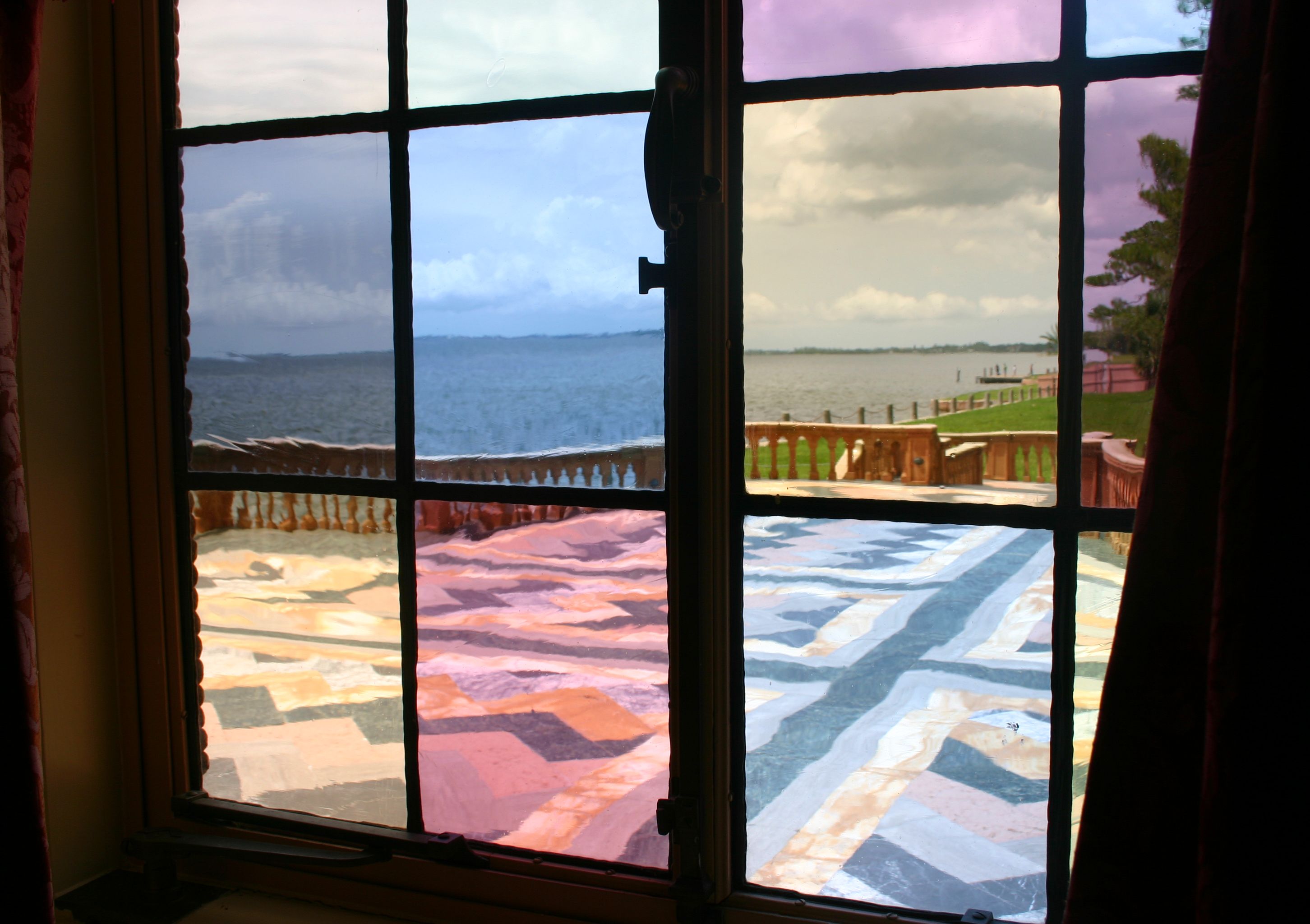
DIY Window Tinting: Pros and Cons
Many people are drawn to DIY window tinting because of its cost-effectiveness. By purchasing a tinting kit and doing the work yourself, you can potentially save a significant amount of money. Additionally, DIY projects can be rewarding and offer a sense of accomplishment.
However, DIY tinting comes with its challenges. Achieving a perfect finish requires precision and skill, and mistakes can lead to bubbles, creases, or peeling. Moreover, the quality of DIY kits varies, and selecting the wrong one can impact the results.
Professional Window Tinting: Pros and Cons
Hiring a professional ensures a high-quality finish. Professionals have the experience and tools necessary to apply the tint smoothly and evenly, minimizing the risk of errors. They also use high-quality materials that often come with warranties, providing additional peace of mind.
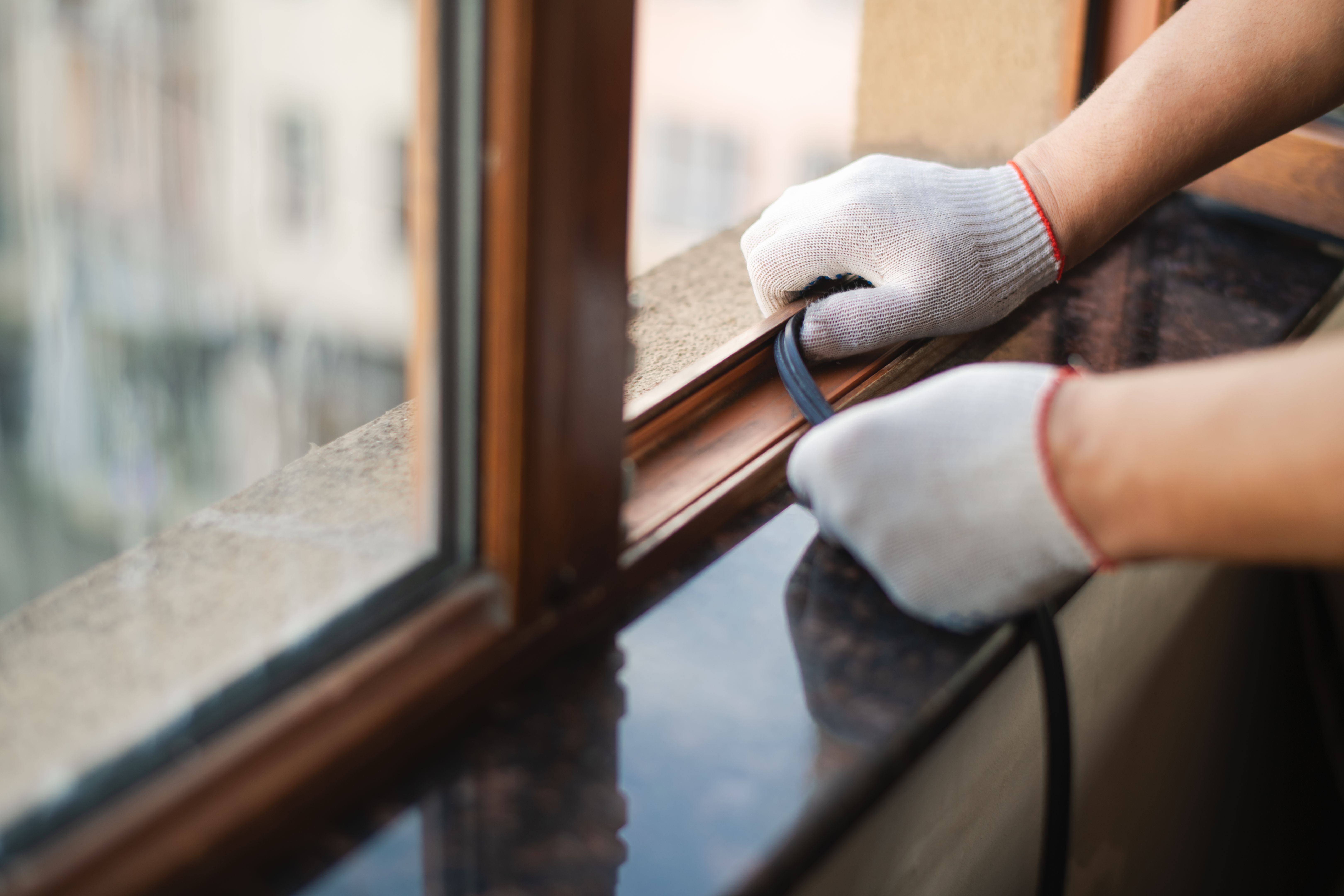
However, professional tinting can be more expensive than doing it yourself. The cost varies based on the type of tint, the size of the windows, and the labor involved. Despite the higher price, many find the investment worthwhile for the quality and convenience it offers.
Factors to Consider When Choosing
When deciding between DIY and professional tinting, consider your budget, the complexity of the project, and your confidence in handling the task. For larger windows or those with intricate designs, professional installation might be the better option.
Assess the potential long-term savings in energy costs and the added value to your property. Professional tinting can sometimes enhance these benefits thanks to superior materials and application techniques.
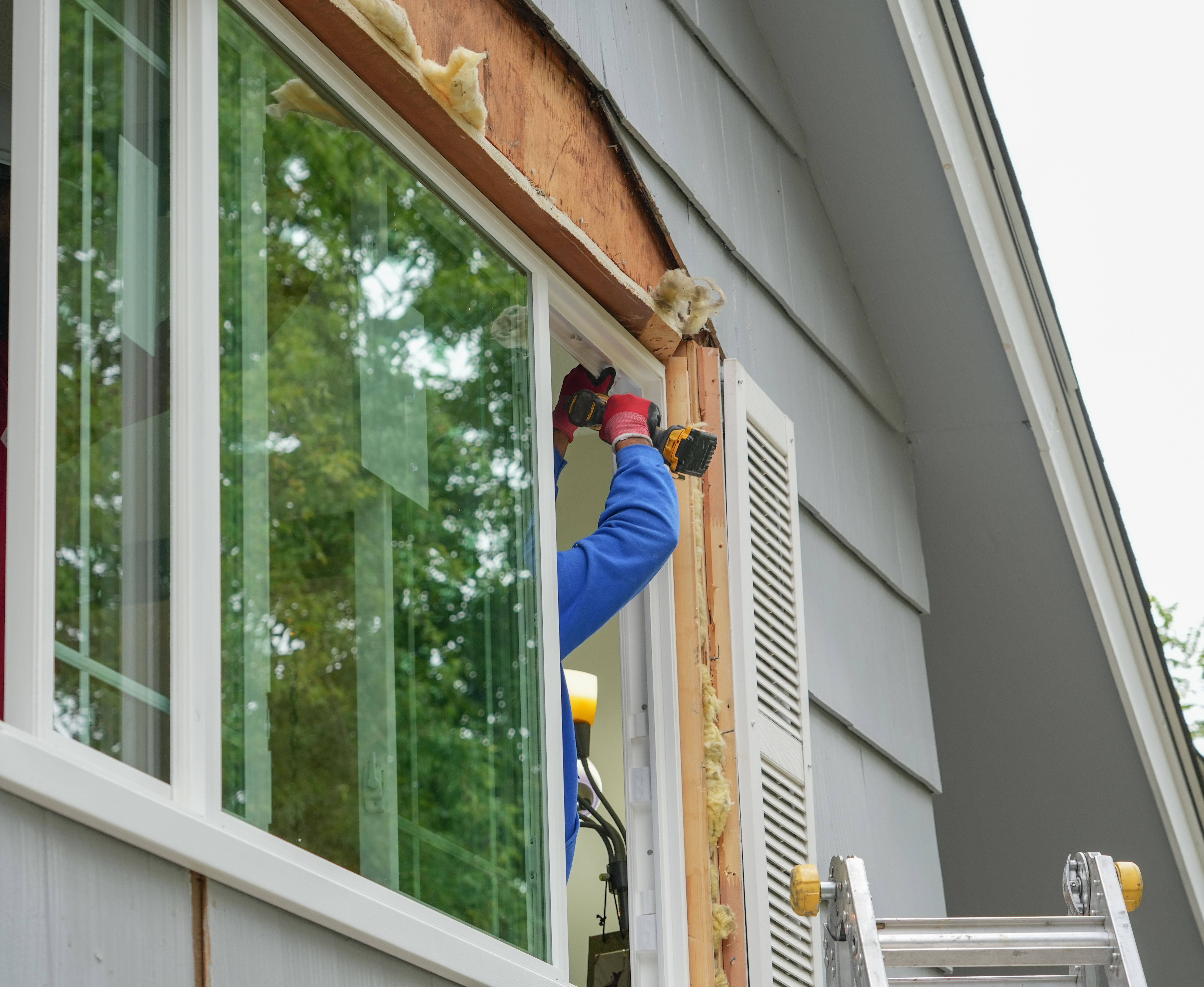
Steps for Successful DIY Tinting
If you choose to go the DIY route, follow these steps for a successful project:
- Research and purchase a high-quality tinting kit suitable for your needs.
- Thoroughly clean the windows to remove dust and debris.
- Carefully measure and cut the film to fit your windows.
- Apply the film slowly, using a squeegee to remove bubbles and ensure a smooth finish.
Conclusion: Making the Right Choice for You
Deciding between DIY and professional window tinting depends on several factors, including your budget, skills, and the project's complexity. While DIY can be cost-effective and rewarding, professional tinting offers unparalleled quality and durability. Weigh the pros and cons to make the best decision for your situation, ensuring your windows provide comfort, efficiency, and style.