
How Window Tinting Protects Against UV Damage: Expert Insights


Understanding UV Radiation and Its Effects
Ultraviolet (UV) radiation is a form of electromagnetic energy emitted by the sun. While it plays a crucial role in processes like vitamin D synthesis, excessive exposure can lead to harmful effects. Prolonged UV exposure is linked to skin cancer, premature aging, and eye damage. It's essential to find effective ways to mitigate these risks.
One often overlooked method is window tinting. This solution not only enhances privacy and reduces glare but also offers significant protection against UV damage. By blocking a substantial portion of UV rays, window tinting serves as a vital shield for your health.
How Window Tinting Works
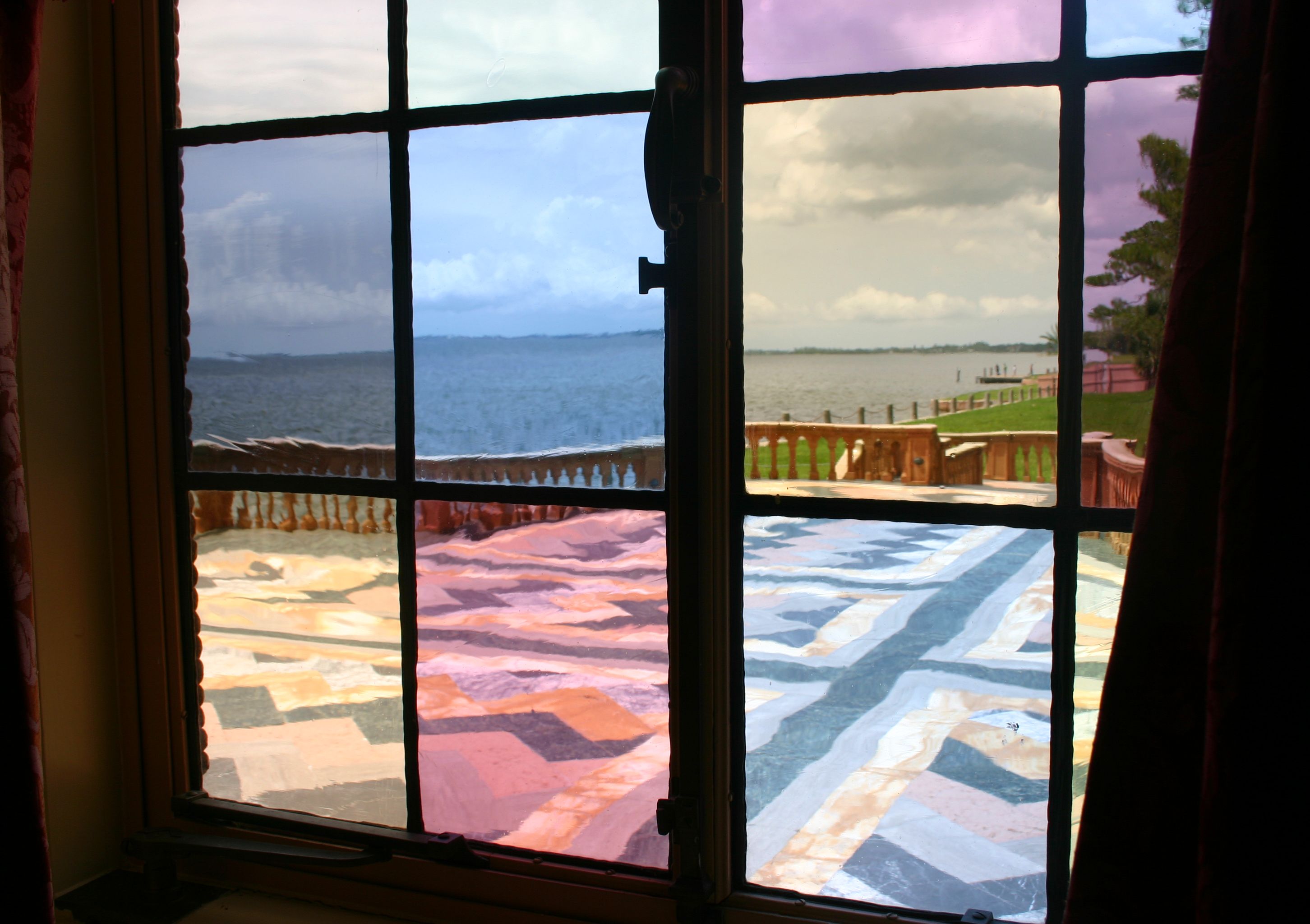
Window tinting involves applying a thin film to the interior surface of windows. This film is composed of multiple layers, each designed to perform specific functions. One of the key layers is engineered to absorb or reflect UV radiation, preventing it from penetrating through the glass.
The effectiveness of window tinting in blocking UV rays depends on the type and quality of the film used. High-quality tints can block up to 99% of harmful UV rays, offering robust protection for you and your family.
Types of Window Tints
There are several types of window tints available, each with unique features:
- Dyed Window Tint: Provides a non-reflective finish and excellent heat reduction.
- Metalized Window Tint: Offers UV protection and adds strength to the windows.
- Ceramic Window Tint: Known for its high performance in heat and UV blocking without interfering with electronic signals.
Benefits of Window Tinting for Skin and Eyes
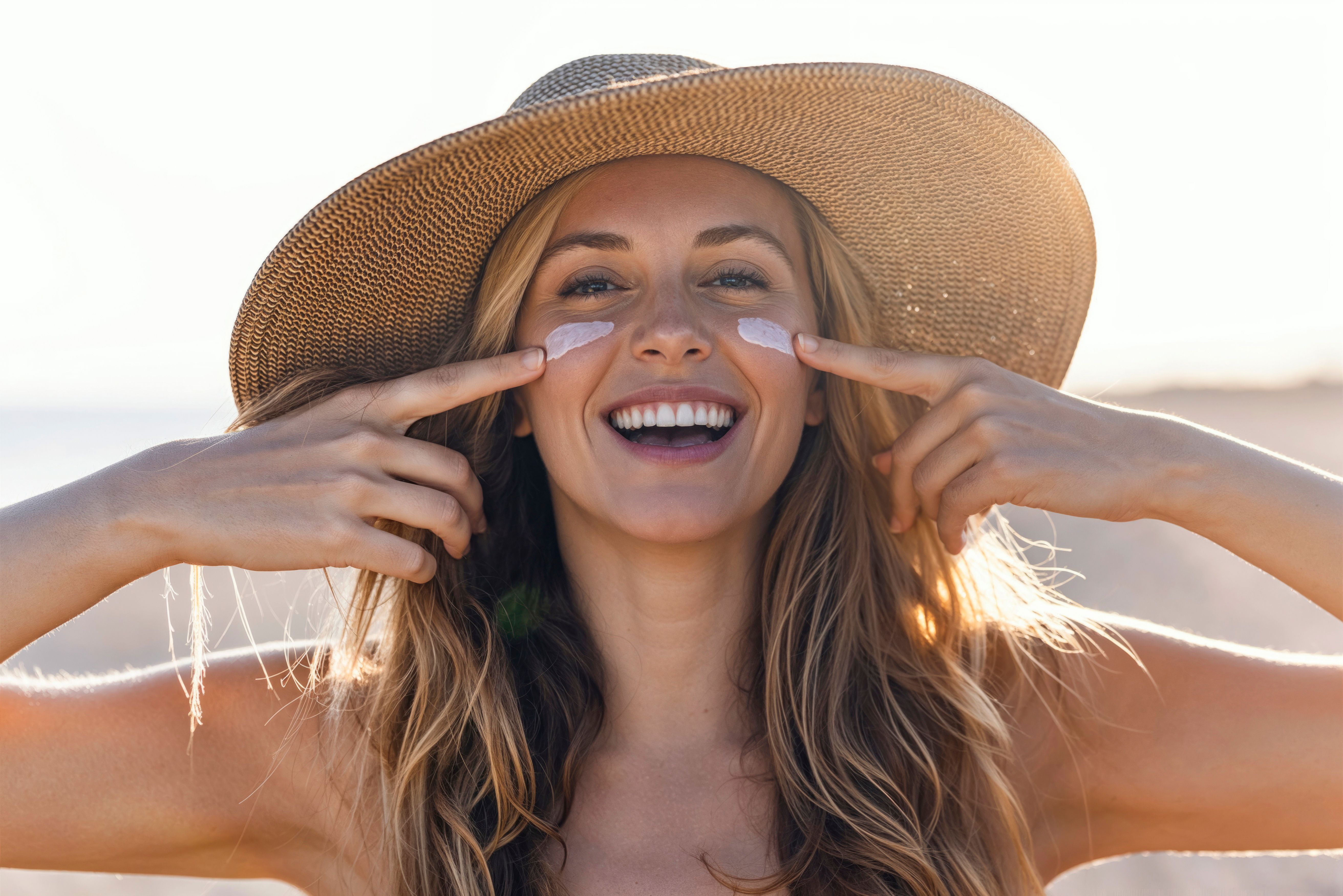
By significantly reducing UV exposure, window tinting helps prevent skin damage and lowers the risk of skin cancer. It also protects the eyes from UV-induced conditions such as cataracts and macular degeneration. This makes it an essential addition to homes, cars, and offices.
In addition to health benefits, window tinting can prevent fading and deterioration of interior furnishings. Fabrics, leathers, and plastics are all susceptible to UV damage, and tinting helps maintain their appearance and longevity.
Expert Recommendations
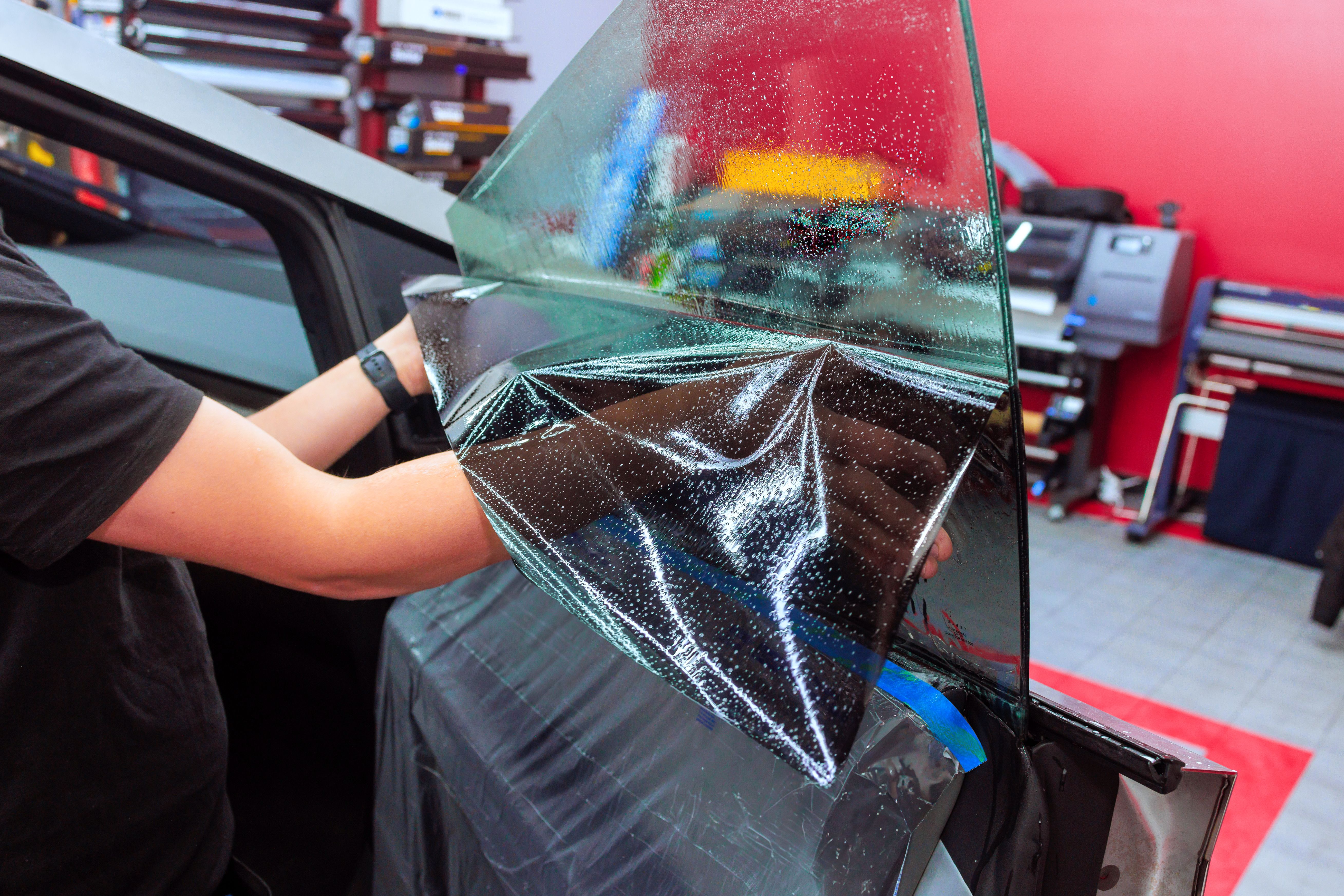
Experts recommend choosing a reputable installer for your window tinting needs. Professional installation ensures that the film is applied correctly, maximizing its protective benefits. Additionally, consider the specific needs of your environment and select a tint that offers the best combination of visibility, privacy, and UV protection.
Conclusion
Window tinting is a practical and effective solution for protecting against UV damage. By investing in high-quality tinting, you can safeguard your health and preserve the beauty of your interiors. As awareness of UV risks continues to grow, window tinting remains a smart choice for proactive protection.