The Science Behind Window Tinting: How It Works and Why It’s Effective


Understanding Window Tinting
Window tinting is more than just an aesthetic enhancement for vehicles and buildings. It plays a crucial role in enhancing comfort, security, and energy efficiency. But what exactly happens when you apply a tint to glass, and why is it so effective?
At its core, window tinting involves applying a thin film to the glass surface. This film is typically made from polyester and is embedded with dyes or metals that can absorb or reflect sunlight. The science behind window tinting lies in its ability to control solar energy transmission.
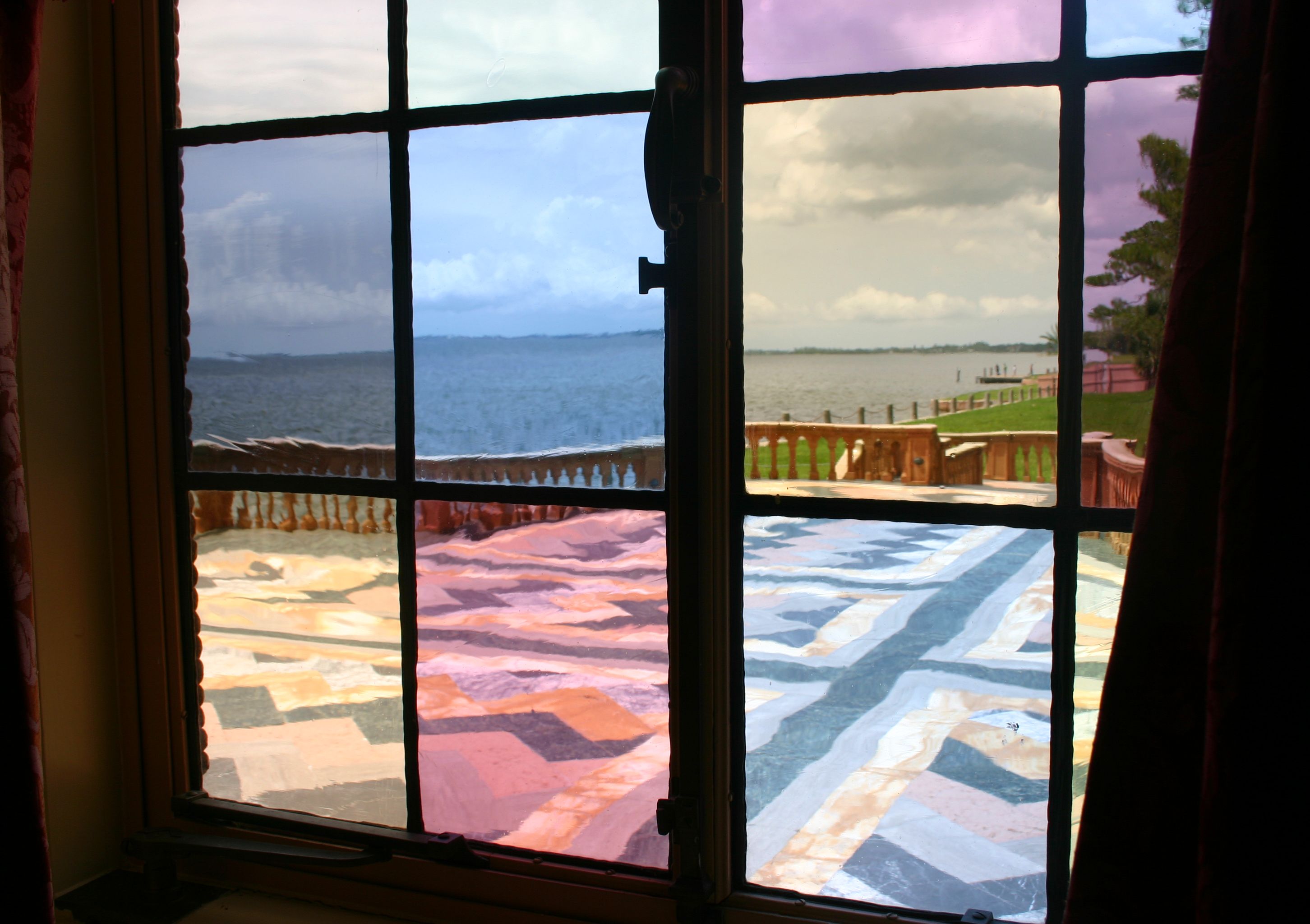
How Window Tinting Works
The effectiveness of window tinting comes from its ability to manage the sun's energy in three ways: reflection, absorption, and transmission. Here's how each process works:
- Reflection: Tinted films can reflect a portion of the sunlight, reducing glare and heat inside the space.
- Absorption: Some of the solar energy is absorbed by the film, which helps in reducing the heat passing through the glass.
- Transmission: A controlled amount of light passes through, ensuring visibility while blocking harmful UV rays.
By balancing these three processes, window tinting effectively manages the indoor climate, improving comfort and reducing energy costs.
The Benefits of Window Tinting
Window tinting offers numerous advantages, making it a popular choice for both residential and commercial applications. Here are some key benefits:
- Energy Efficiency: By reducing heat gain, window tinting can significantly lower cooling costs, especially during hot seasons.
- UV Protection: High-quality tints can block up to 99% of harmful UV rays, protecting your skin and interior furnishings from damage.
- Enhanced Privacy and Security: Tinted windows make it difficult for outsiders to see inside, providing increased privacy and protection.

Types of Window Tinting Films
There are various types of window tinting films available, each with its unique properties and applications. Some of the most common types include:
- Dyed Films: These are mostly used for aesthetics and glare reduction. They offer minimal heat reduction.
- Metalized Films: These contain tiny metallic particles that reflect sunlight, providing better heat reduction.
- Ceramic Films: Known for their high clarity and superior heat reduction without interfering with electronic signals.
Choosing the right type of film depends on your specific needs and the environment in which it will be applied.
Conclusion
Window tinting is a sophisticated solution that blends science and practicality. Whether you're looking to enhance comfort, protect interiors, or improve energy efficiency, understanding the science behind window tinting can help you make an informed decision. As technology advances, the effectiveness and applications of window tinting continue to evolve, offering even more benefits to users worldwide.